
Why Elite Athletes Train Their Eyes—And Weekend Players Should Too
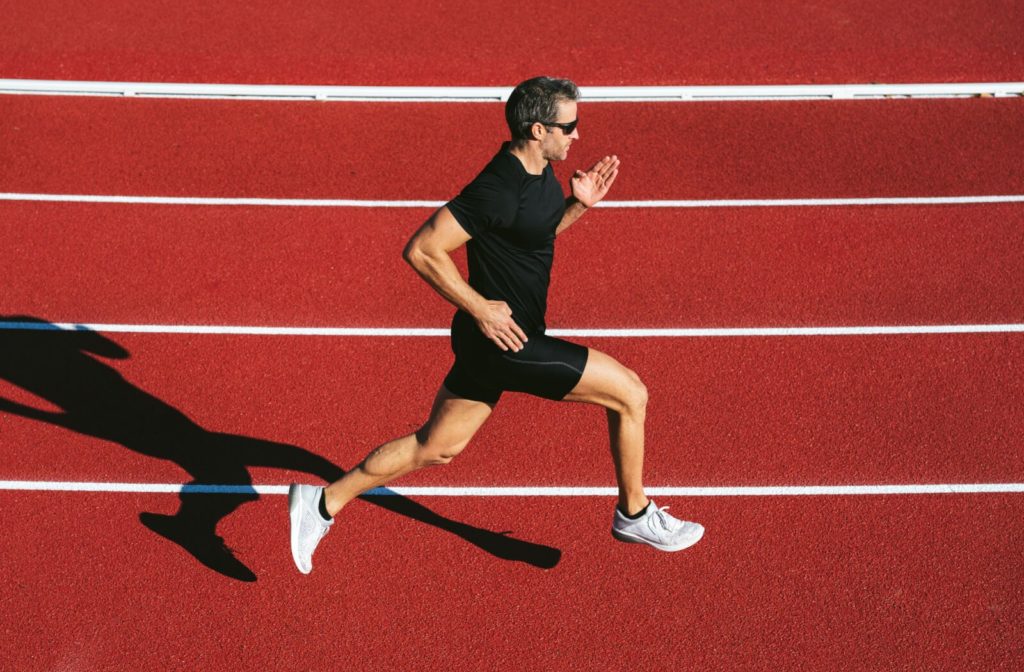
Vision: The Most Underrated Athletic Skill
Athletes spend countless hours training their bodies, but many overlook one of the most important performance systems—the visual system. Vision guides timing, coordination, balance, and decision-making in nearly every sport.
Sports vision performance care focuses on optimizing how the eyes and brain work together under pressure.
What Is Sports Vision Performance Training?
Sports vision performance training is a specialized area of optometry that enhances visual skills essential for athletics. Unlike a standard eye exam that checks clarity, sports vision care evaluates how efficiently an athlete processes visual information during movement.
The goal is to help athletes react faster, move more accurately, and perform more consistently.
Visual Skills That Impact Performance
Sports vision training targets key abilities such as:
Reaction time and visual processing speed
Eye tracking and fixation accuracy
Depth perception and spatial awareness
Peripheral vision awareness
Eye-hand and eye-body coordination
Visual endurance under fatigue
Even small improvements in these areas can translate to noticeable gains on the field or court.
Who Can Benefit from Sports Vision Care?
Sports vision performance isn’t just for professional athletes. It benefits:
Youth athletes developing coordination
High school and collegiate competitors
Adult recreational athletes
Athletes recovering from concussion
Individuals struggling with consistency despite physical training
Sports vision training is customized based on sport-specific visual demands.
What Happens During a Sports Vision Evaluation?
A sports vision evaluation assesses how vision functions during real-world athletic tasks. This may include testing dynamic focusing, tracking moving targets, depth judgment, and visual reaction speed.
Based on results, a personalized training program may be recommended to strengthen weak visual skills.
Training the Brain-Eye Connection
Many sports vision exercises are designed to challenge the visual system while the body is in motion. This helps athletes improve decision-making speed and maintain accuracy during fast-paced play.
Training sessions are progressive and adjusted as performance improves.
Why Sports Vision Is Gaining Momentum
As athletic performance becomes increasingly data-driven, teams and individuals are recognizing that vision is trainable—just like strength or endurance.
Sports vision care bridges the gap between physical ability and visual execution.
Final Thoughts
Great athletes don’t just see clearly—they see efficiently, react quickly, and process information under pressure. Sports vision performance training helps unlock this potential by refining the visual skills that drive success.
For athletes looking to gain an edge, the eyes may be the missing piece.
Medical evidence and important limits
Evidence must match the diagnosis and outcome. In the NIH-funded CITT-ART trial, treatment improved clinical convergence measures in children with convergence insufficiency but did not improve standardized reading scores more than placebo. This is not evidence that vision training treats dyslexia or ADHD, or guarantees academic or cognitive improvement.
A quiet-eye meta-analysis reported effects in the sporting tasks studied. Those results should not be generalized into promises about every sport, a particular clinic program, executive performance or public-speaking confidence.
Sources for these clinical explanations
- NIH: convergence-insufficiency treatment and reading outcomes
- Quiet Eye and Performance in Sport: a meta-analysis
These references support the general explanations above; they do not verify practice-specific outcomes or guarantee results. This educational article is not a diagnosis or a substitute for an individual examination.


